
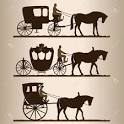
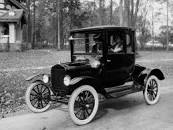
Everyone has heard of the Ford Motor Company, but virtually nobody remembers that the Cleveland Hardware and Forging Company was once a major producer of wagons and carriages. As the Ford Motor Company made technologically superior means of transportation than the once popular horse-drawn alternatives, Ford overtook and surpassed its technologically inferior competitors. The social media platform Orkut is the Cleveland Hardware and Forging Company of the social media industry. Orkut was a major industry leader and collapsed to its technolocially superior competitor, Facebook, in 2014.
Orkut was a market leader for seven years, reaching its peak in 2012 with 30 million users. Orkut was a subsidiary of Google, and many were attracted to the platform by Google’s reputation. Alas, Google has floundered on the social media front. Google+ failed in early 2019. A few of the things Orkut did right, but were not valued by subsequent social media apps, is the focus on account privacy, an invitation-only culture that led to prestige in being an Orkut user, and the ability to rate other users in intangible areas like how sexy, cool, and trustworthy they were. Orkut succeeded in Brazil for a variety of reasons. Since Brazil bans outdoor advertising, Orkut became a way for Brazilians to find places and products. Unfortuanely, Orkut did a poor job with video interfacing causing users to look to other places for product recommendations and social expression.
Pachal Debbarma attributes Orkut’s failure to not being able to provide the same level of features as Facebook, which was Orkut’s nearest rival. Orkut used an older, more clunky and slow architecture. Orkut was more privacy-minded not allowing users to anonymously view other user’s content. Orkut was not as visually appealing nor as interactive as rival Facebook. Orkut did not provide online gaming as part of its platform, as did Facebook. And, Orkut was not business-friendly, not allowing businesses to have their own business-oriented pages.
The proverb, “If you want to be successful, build a better mouse trap,” is true in the transportation industry and in the social media realm. Overall, Facebook provided a more relevant platform than Orkut. Users voted by changing platforms. Facebook certainly has annoying features, like the targeted advertising. Purchase a baby stroller on Amazon and one is subjected to weeks of baby stroller ads on Facebook. Facebook hasn’t quite figured out that once the item is purchased the horse is out of the barn. No need to advertise for a major purchase couples typically do only once. I don’t like them spying on my online activities for the purpose of ad targeting. I don’t like Facebook’s posting algorithm. I don’t like the same post popping up every two minutes in my feed. I can’t wait for another social media platform to overtake Facebook making it obsolete. It’s a platform I begrudgingly use, but I love to hate. Let’s go tech industry. The world needs a better social media app. Facebook, like Orkut, is just a horse and buggy.
References
Cleveland Hardware. (2019) Encyclopedia of Cleveland History. Retrieved from https://case.edu/ech/articles/c/cleveland-hardware
Debbarma, Pachal. (2016, August 9) “Case study : Reasons why Google’s Orkut failed after Facebook was launched. Also know what Orkut’s founder is doing recently to start up again.” http://www.medium.com. Retrieved from https://medium.com/@PachaelPhillip/case-study-reasons-why-googles-orkut-failed-after-facebook-was-launched-92dd8a7abf0
Mahoney, L. Meghan and Tang Tang. (2017) Strategic Social Media: From Marketing to Social Change. Chichester, West Sussex, UK.ess




 Stephen J. Forrest, Author